September 8, 2026
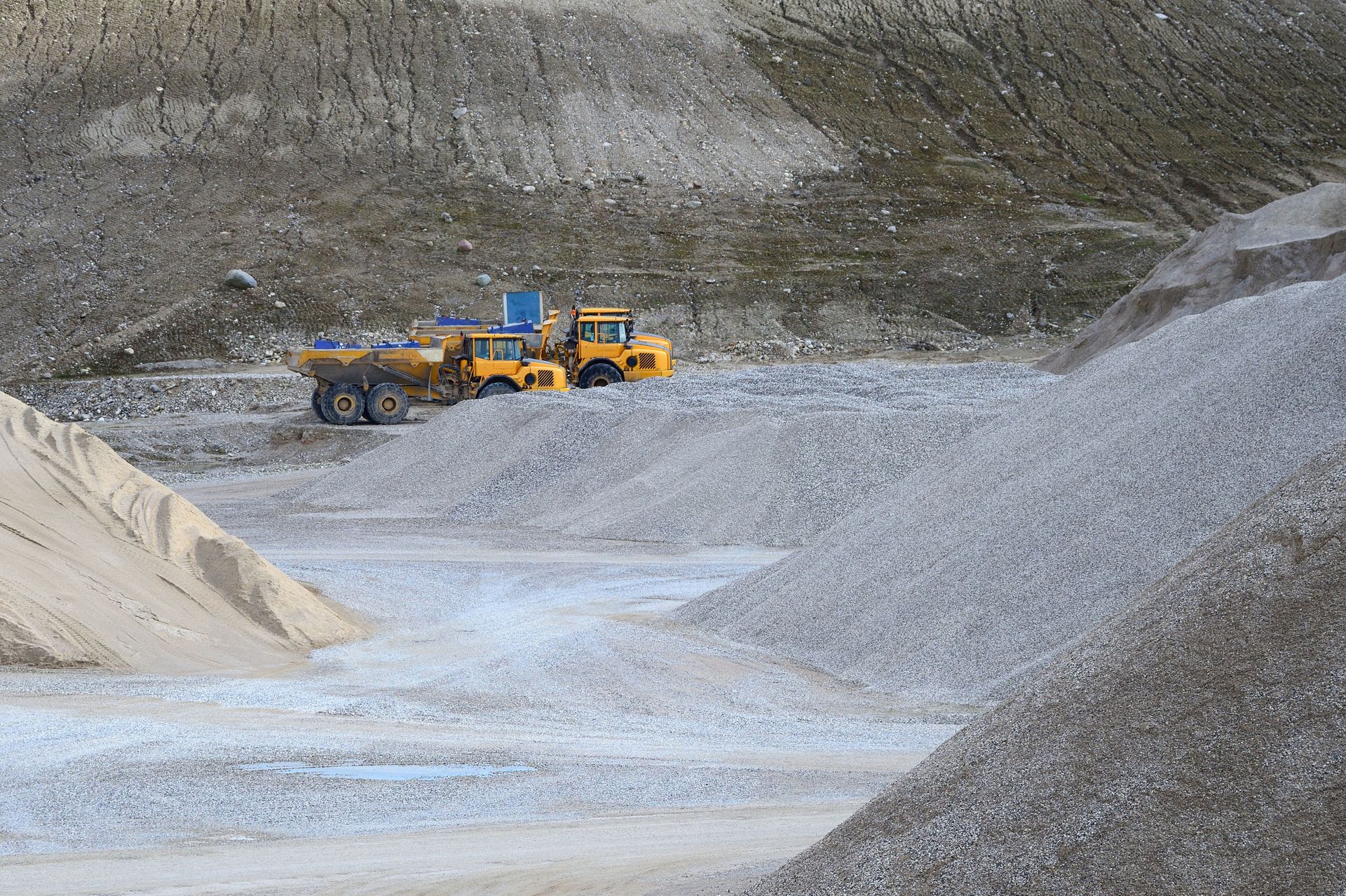
Limestone often goes unnoticed once a road opens or a building is complete, yet it supports the work below. Quarried and processed into different grades and sizes, this durable material contributes to road bases, construction foundations, concrete applications, masonry work, and other structural uses. Project planners can select a form suited to a specific layer or application rather than rely on one material for every need. That adaptability makes limestone fundamental to transportation and building projects.
The material's value also depends on quality, consistency, and availability. Projects may require significant quantities at specific stages, and supply interruptions can affect the order of work. Working with an aggregate supplier that understands construction requirements gives contractors access to suitable options while helping coordinate material needs with the schedule. This relationship aligns selection with the performance expected from the finished structure.
Creating Stable Layers Beneath Roads
A roadway depends on more than the pavement visible at the surface. Beneath it, aggregate layers help establish a stable platform and distribute the loads created by passing vehicles. Limestone can be processed into grades suited to different road-building purposes, allowing project planners to match the stone with the design and applicable requirements. Particle size, consistency, and placement all influence how effectively the base supports the layers above it.
According to the U.S. Geological Survey's January 2025 Mineral Commodity Summaries, about 72% of crushed stone produced in the United States is used as construction aggregate, primarily for building and maintaining roads. That proportion reflects the enormous volume of mineral material required by transportation networks. New routes need dependable base materials, while established roads require recurring upkeep as traffic and weather affect their condition. Both forms of road work depend on an aggregate supplier that can provide stone aligned with the relevant use.
Supporting Building Foundations and Site Preparation
Every building project begins with site conditions that must accommodate the planned structure. Aggregate may contribute to construction bases, fill applications, access areas, and other early stages that prepare the property for later work. Limestone is valuable in these settings because multiple sizes and grades can address different requirements across the same development. Selecting the proper material helps create dependable conditions for the construction that follows.
Commercial and residential projects differ in scale, but both rely on coordinated material decisions. A large development may need bulk quantities for several work areas, while a smaller project may require a more limited selection for a specific base or structural application. Available grades and sizes should be reviewed with the aggregate supplier so the chosen limestone corresponds with the planned use. This guidance is particularly useful when separate phases call for distinct products rather than interchangeable stone.
Contributing to Concrete and Masonry Applications
Limestone aggregate also supports concrete and masonry work used throughout foundations, walls, public facilities, and commercial properties. The selected stone must suit the construction method because different applications can have their own material characteristics and specifications. Appropriate sizing allows the aggregate to function as intended within the broader mixture or assembly. Consistent material gives builders a more predictable resource as they coordinate structural work.
Meeting Transportation and Public-Work Specifications
Public infrastructure materials are often subject to specifications established by the authority responsible for the work. Departments of transportation, counties, the U.S. Army Corps of Engineers, and the American Railway Engineering and Maintenance-of-Way Association may each establish requirements relevant to particular projects. Limestone that meets applicable standards gives planners a defined basis for evaluating whether a product belongs in the intended application. Specification alignment is especially important when safety, structural performance, and long-term service are central concerns.
Compliance does not make every limestone product interchangeable. A stone approved for one transportation use may differ in size or characteristics from material intended for a county road, rail corridor, or another public project. Contractors must consider both the governing standard and the exact role the material will serve. Project requirements give contractors a basis for discussing specification-aligned options with an aggregate supplier.
Extending Support Beyond Conventional Roadways
Rail work places its own emphasis on carefully specified rock for track systems and recurring maintenance. County and local projects may follow different requirements while still depending on a reliable flow of material. Transportation and county requirements should shape each product request made to an aggregate supplier. This focus reinforces the importance of verifying the grade and approval associated with each use instead of treating all crushed stone alike.
Managing Water and Protecting Nearby Infrastructure
Road and building projects must account for the effects of moving water on surrounding soil and constructed areas. Drainage channels, slopes, shorelines, culverts, and outfalls can be vulnerable to erosion or scour when runoff repeatedly disturbs exposed ground. Large limestone rip rap can form a durable protective layer in places where smaller loose material may move too easily. Available forms can include large boulders, medium-sized stone, crushed limestone rip rap, and gabion stone for different site conditions.
Rip rap may be used for channel stabilization, slope reinforcement, streambank protection, and other erosion-control applications connected to infrastructure. Selecting the appropriate size matters because water conditions and site demands vary. Where federal requirements govern the work, U.S. Army Corps of Engineers-approved material may be necessary. Specification-aligned rip rap remains an important consideration when sourcing material from an aggregate supplier.
Matching Grade and Size to the Intended Use
Limestone's versatility is valuable only when selection remains specific. Construction aggregate and limestone rip rap come in different physical forms for different needs, while fill material serves separate site-preparation applications. Project managers must consider size, composition, consistency, project specifications, and the location where the stone will be placed. A choice based solely on the general label “limestone” overlooks the differences that determine whether a product fits the work.
Early coordination can clarify which materials belong in each phase and how much handling will be required between sourcing and placement. It can also distinguish products intended for road construction from those used in building, rail, drainage, or erosion-control work. Contractors can compare available inventory with project requirements during discussions with an aggregate supplier. That conversation keeps the focus on suitability instead of assuming that the most familiar product is automatically the correct one.
Keeping Regional Construction Supplied
Material availability influences whether road and building projects can proceed in the intended order. Contractors may need recurring loads, bulk quantities, or different limestone products as work moves from preparation to structural and exterior phases. A nearby source of locally mined stone can support projects across the surrounding region while reducing the distance between quarry inventory and the job site. Pickup and delivery options provide additional ways to coordinate access according to project needs.
Reliable supply also begins with disciplined quarry operations. Adherence to Mine Safety and Health Administration standards, licensing, insurance, and established quality practices contributes to consistent service. Fast quotes can help project planners begin evaluating material needs without adding unnecessary administrative delays. Combined with knowledgeable product guidance, these qualities make the quarry relationship an important part of construction planning.
Limestone remains essential because its value extends from hidden structural layers to visible construction applications. When its grade, size, and intended use align with the project, it can contribute to stable, durable infrastructure suited to the broader construction plan. At Colt Rock and Lime, LLC, we supply locally mined limestone and other aggregate products for road, building, and related infrastructure projects. Contact us to learn more about our services!